 Products Liability






Fifteen years ago, our firm was accepting Seroquel lawsuits. The crux of those lawsuits was that Seroquel caused diabetes. Our lawyers are not handling these claims in 2024. But we leave this page up to provide information. This page was written many years ago and updated several times, most recently in January 2024.
Seroquel
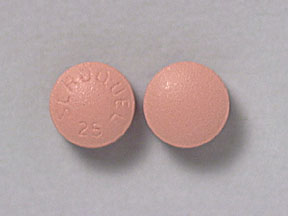
Seroquel is a brand name for the drug quetiapine, an antipsychotic medication. It treats certain mental/mood conditions such as schizophrenia, bipolar disorder, and depression. Seroquel works by changing the activity of certain natural substances in the brain, including dopamine and serotonin, which can help to regulate and stabilize mood and behavior.
Seroquel is available in several forms, including immediate-release tablets, extended-release tablets, and oral suspension. The medication is typically taken once or twice daily, with or without food.
Seroquel (Quetiapine) was approved for market in the United States in 1997 to treat schizophrenia and bipolar disorder; doctors have prescribed it – at the suggestion of Seroquel pharmaceutical representatives – for many other conditions such as depression, attention deficit disorder (ADHD), obsessive-compulsive disorder (OCD), and post-traumatic stress disorder (PTSD) – all conditions for which there are other FDA-approved specifically for that condition.
Although Seroquel can be an effective treatment for mental health conditions, it can also cause many side effects. Some common side effects include drowsiness, dizziness, dry mouth, constipation, weight gain, and blurred vision. Other more severe side effects can include low blood pressure, seizures, high blood sugar, and an increased risk of diabetes. Some people may also experience tardive dyskinesia, a condition characterized by uncontrollable movements of the face and body.
 Seroquel Diabetes Risk
 Seroquel Diabetes Risk
Studies from as far back as 2002 provided evidence that patients taking drugs in Seroquel’s class had 3.34 times as many cases of diabetes as those on older antipsychotic drugs. In September 2003, the FDA responded by requiring labeling stating that Seroquel users are at heightened risk of contracting type 2 diabetes.
The Seroquel diabetes lawsuits filed around the country have alleged that Seroquel’s manufacturer, AstraZeneca, was aware that Seroquel caused a high occurrence of diabetes but failed to adequately warn doctors or patients of the risk. Interestingly, the label for Seroquel in Japan is far more expansive, providing a clear warning about the risk of type 2 diabetes with Seroquel and expressly informing doctors of the need to monitor Seroquel patients. The Japanese label also indicates that Seroquel is contraindicated for use in patients with diabetes or a history of diabetes.
This risk appears to be higher in people who have other risk factors for diabetes, such as obesity, a family history of diabetes, or a history of high blood sugar. Which was a significant flaw in the Seroquel diabetes lawsuits. It was hard to prove Seroquel caused a patient’s diabetes when the patient had so many risk factors for diabetes.
The risk of developing diabetes from Seroquel may also be higher with higher doses of the medication or with longer-term use.
Because Seroquel increases the risk that its users will develop diabetes and diabetes-related symptoms and illnesses, Plaintiffs’ lawyers in the class action lawsuit involving Seroquel sought, in addition to other damages, to set up a medical monitoring fund for Seroquel patients to be tested for diabetes and other blood sugar disorders (that lawsuit failed).
What Is the Scientific Theory Supporting the Link Between Diabetes and Seroquel?
There are several theories as to precisely why Seroquel causes diabetes. One theory is that diabetes might result from the weight gain that Seroquel can cause. Studies suggest that Seroquel affects glucose transport metabolism peripherally in patients, possibly increasing the potential for hyperinsulinemia and peripheral insulin resistance. Some have also theorized that the activity of atypical antipsychotic drugs like Seroquel at the serotonin receptors of the beta cells in the pancreas might derange the beta cell function, resulting in higher glucose levels.
Other Seroquel Side Effects
Seroquel is effective in treating some conditions. It comes with side effects that include:
- Drowsiness
- Dizziness
- Dry mouth
- Constipation
- Weight gain
- Blurred vision
- Headache
- Upset stomach
- Nausea
- Vomiting
- Increased appetite
- Fatigue
- Restlessness
- Uncontrolled muscle movements
- High blood sugar levels
- Increased risk of diabetes
- Low blood pressure upon standing
- Increased heart rate
- Fainting
- Seizures
- Liver damage
- Neuroleptic malignant syndrome (a severe and life-threatening reaction to antipsychotic medication)
- Suicidal thoughts or behavior (especially in young adults)
Seroquel Pancreatitis Risk
Seroquel (often misspelled by doctors and patients as Seraquel or Serequel) has also been associated with acute pancreatitis. Pancreatitis is a dangerous inflammation of the pancreas. Pancreatitis runs the gambit of symptoms: it can present a mild illness with no significant consequences or cause multiple organ failure with circulatory collapse. While the exact mechanism by which Seroquel may cause pancreatitis is not fully understood, it is thought that the drug may disrupt the normal function of the pancreas, leading to inflammation and injury.
In the pancreatitis lawsuits, plaintiffs’ lawyers allege that AstraZeneca failed to perform reasonable tests, inspections, drug trials, and evaluations concerning the safety of Seroquel and that proper testing would have made clear that it poses a significant risk of pancreatitis. Specifically, plaintiffs’ lawyers allege that “AstraZeneca had a duty to exercise reasonable care in the design, manufacture, sale, and distribution of the drug, Seroquel, including a duty to assure that the product did not cause users to suffer from unreasonable, dangerous side effects when used alone or in foreseeable combination with other drugs.”
Heart Rhythm Concerns
New research in 2024 suggests that the use of antipsychotic medications Seroquel and Haldol may increase the risk of severe and potentially fatal heart rhythm issues. A study published in the Heart Rhythm Journal by researchers highlights a possible association between these medications and severe QT prolongation (SQTP). This condition can lead to additional cardiac rhythm problems.
Both drugs have the potential to block potassium channels, disrupting the heart’s normal rhythm.
Seroquel Lawsuits
The Seroquel lawsuit also alleged that Seroquel is aggressively marketed for use in patients with anxiety, depression, or ADHD beyond its FDA-approved indications. Plaintiffs’ lawyers also contend that AstraZeneca offered incentives to doctors and other health care providers to increase Seroquel prescriptions (they didn’t reach $3.0 billion in sales on schizophrenics alone, that is for sure).
Most of these cases have settled. Our law firm does not handle Seroquel cases.
- Tylenol ADHD lawsuits
- $520 million Seroquel settlement for off-label use
- Seroquel antitrust litigation in 2023